
Iran Affirms Strait of Hormuz Open to All Vessels While Restricting “Enemy‑Linked” Ships
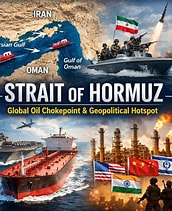
Iran has publicly reiterated that the Strait of Hormuz remains open to international navigation, asserting its commitment to customary maritime passage through one of the world’s most consequential chokepoints for energy shipments. Tehran’s statement, however, included a caveat: ships it identifies as “enemy‑linked” will not be guaranteed the same access.
Such declarations carry both legal and geopolitical weight. Under international law, particularly the regime governing transit passage for straits used for international navigation, coastal states are expected to permit unimpeded transit so long as vessels do not threaten the coastal state’s peace, security, or environment. Iran’s conditional formulation—affirming general openness while reserving the right to exclude certain vessels—raises questions about how “enemy‑linked” will be defined and enforced, and about the potential for contested incidents at sea.
The diplomatic implications are immediate. Regional and extra‑regional powers that routinely operate naval and commercial traffic through Hormuz will closely monitor Iran’s practice, seeking assurances that freedom of navigation will be upheld. Any concrete measures to deny access to specific vessels could prompt legal challenges, escalation in naval patrols, or calls for multilateral mechanisms to guarantee safe passage.
For commercial actors, predictability matters. Even a limited risk of interdiction, inspection, or denial of passage can affect shipping insurance, routing decisions, and energy markets. Clarity from Iran, and from other stakeholders, about operational procedures and dispute‑resolution channels would reduce uncertainty and help preserve the strait’s role in global trade.
In sum, Iran’s pronouncement blends a formal commitment to maritime openness with a politically charged reservation. How this balance is translated into practice will determine whether the Strait of Hormuz continues to function as a reliable artery of international commerce or becomes a persistent flashpoint in regional security dynamics.

 Nigeria Maritime Online
Leave a comment