
Here’s a structured presentation on the formation, operations, and eventual collapse of the Nigerian National Shipping Line (NNSL). This overview covers the historical context, goals, and major pitfalls that contributed to its downfall.
—
Slide 1: Introduction to Nigerian National Shipping Line (NNSL)
Background: The Nigerian National Shipping Line (NNSL) was established in 1959, during Nigeria’s pre-independence period, to create a national carrier and enhance the country’s participation in global maritime trade.
Purpose: NNSL aimed to serve as a symbol of Nigeria’s sovereignty and economic independence, reduce dependency on foreign shipping companies, and stimulate the growth of indigenous shipping.
—
Slide 2: Formation and Objectives of NNSL
Establishment: Formed by the Nigerian government in partnership with the British shipping company Elder Dempster Lines, the initial setup had the Nigerian government owning 51% of the shares and Elder Dempster holding 49%.
Primary Objectives:
Facilitate Nigeria’s participation in international shipping.
Generate revenue for the Nigerian economy.
Build a foundation for the training and development of Nigerian maritime professionals.
Enhance trade efficiency by providing reliable cargo services to and from Nigeria.
—
Slide 3: Expansion and Peak of Operations
Fleet Growth: By the early 1970s, NNSL expanded its fleet to over 20 vessels, becoming a major player in West African maritime trade.
National Pride: NNSL was a source of pride, symbolizing economic sovereignty and providing jobs for thousands of Nigerians.
Shipping Routes: NNSL established critical shipping routes to Europe, the Americas, and Asia, carrying both general cargo and government goods.
—
Slide 4: Challenges and Signs of Decline
Management Issues:
The shift to full government ownership after the 1961 buyout of Elder Dempster’s shares led to bureaucratic inefficiencies.
High turnover in management positions led to a lack of strategic direction and continuity.
Corruption and mismanagement plagued operations, with contracts and procurement processes often lacking transparency.
Operational Inefficiencies:
Aging fleet with inadequate maintenance led to frequent breakdowns, making operations expensive.
Overstaffing and poor labor relations resulted in high operational costs.
Economic and Competitive Pressures:
Global oil crises in the 1970s raised operational costs.
Increased competition from more efficient, foreign-owned shipping lines strained NNSL’s revenue streams.
—
Slide 5: The Pitfalls That Were Left Unguarded
1. Lack of Financial Discipline and Accountability:
The absence of proper financial controls led to embezzlement and financial mismanagement.
Unpaid loans, frequent audits highlighting misuse of funds, and limited profitability weakened the company’s finances.
2. Political Interference:
Frequent government intervention disrupted professional management and hindered strategic decision-making.
Appointments were often politically motivated rather than based on expertise, contributing to inefficiency.
3. Fleet Neglect and Poor Maintenance:
Failure to maintain and upgrade the aging fleet led to frequent breakdowns and service disruptions.
Capital needed for fleet renewal was often diverted, leaving NNSL unable to compete with modernized fleets.
4. Lack of Clear Business Strategy:
NNSL lacked a robust and sustainable business strategy, which left it vulnerable to economic downturns and shifts in global trade patterns.
Poor market analysis and failure to adapt to industry changes diminished its competitive edge.
5. High Dependency on Government Contracts:
NNSL became overly dependent on government cargo, limiting its flexibility in sourcing diverse revenue streams.
This dependence exposed the company to risks when government budgets tightened or policies changed.
—
Slide 6: The Collapse of NNSL
Deterioration of Assets: By the 1980s, most NNSL ships were unseaworthy, leading to a significant loss in operational capacity.
Mounting Debts: By the late 1980s and early 1990s, the company was burdened by huge debts owed to local and international creditors.
Final Collapse: In 1995, the Nigerian government liquidated NNSL due to insolvency and the inability to sustain operations.
—
Slide 7: Lessons Learned from NNSL’s Collapse
1. Need for Professional Management: Government-owned entities require a skilled, independent management team free from political interference.
2. Importance of Accountability and Transparency: Financial discipline, regular audits, and transparent operations are vital to prevent corruption.
3. Strategic Fleet Management: Regular fleet upgrades and maintenance are essential for competitiveness.
4. Diversification of Revenue Streams: Relying heavily on government contracts increases vulnerability; diversified income sources provide stability.
—
Slide 8: Conclusion
Legacy: NNSL’s collapse serves as a case study on the challenges faced by nationalized shipping companies.
Future Considerations: As Nigeria seeks to revitalize its shipping sector, lessons from NNSL’s rise and fall underscore the importance of strategic planning, operational efficiency, and good governance.
—
This concludes the presentation on the Nigerian National Shipping Line. The NNSL’s experience highlights both the potential and challenges of building a national shipping line in an evolving global market.
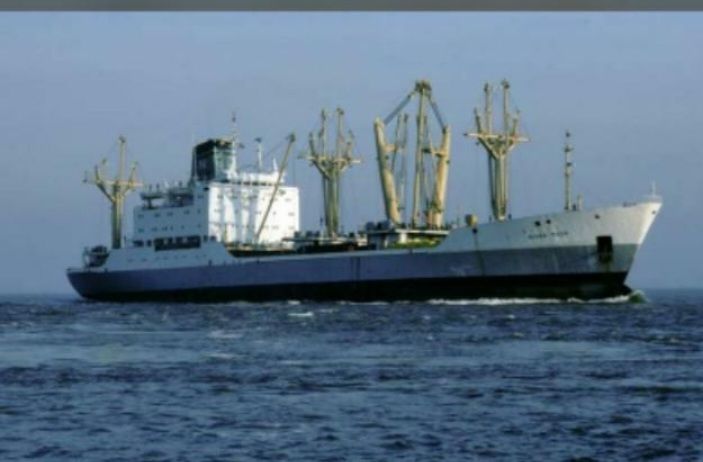

 Nigeria Maritime Online
Leave a comment