Global commerce depends heavily on maritime routes, and a small number of strategic passages disproportionately shape the flow of goods and energy. Each chokepoint concentrates vast volumes of trade through narrow waterways or constrained approaches, making them focal points for economic stability, security planning, and supply‑chain risk management.
- Strait of Hormuz Linking the Persian Gulf to the Arabian Sea, the Strait of Hormuz is the principal outlet for much of the world’s crude oil and liquefied natural gas from the Gulf. Any disruption there produces immediate upward pressure on energy prices and forces lengthy rerouting of tankers.
- Suez Canal The Suez Canal provides the shortest sea connection between Europe and Asia. Its closure compels ships to take the much longer route around the Cape of Good Hope, increasing voyage time, fuel consumption, and freight costs while straining global schedules.
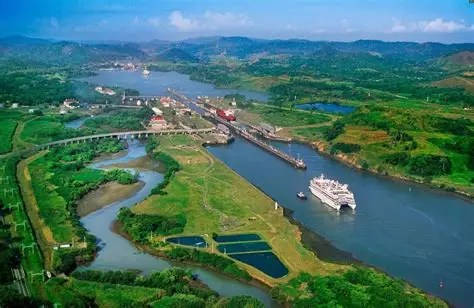
- Panama Canal Vital for trans‑shipment between Atlantic and Pacific markets, the Panama Canal dramatically shortens interocean journeys for containerized and bulk cargoes. Capacity constraints or prolonged closures reverberate through time‑sensitive supply chains.
- Strait of Malacca As the busiest Asian passage, the Strait of Malacca channels large volumes of manufactured goods and energy supplies between East Asia and markets to the west. Its shallow and narrow stretches create vulnerability to congestion or security incidents.
- Bab el‑Mandeb At the southern entrance to the Red Sea, Bab el‑Mandeb is a gateway for traffic between the Mediterranean (via Suez) and the Indian Ocean. Regional instability or piracy in this area can significantly affect shipments to Europe and the Americas.
Implications and Response The concentration of trade through these five chokepoints means that localized disruptions carry global consequences. Stakeholders—states, shipping firms, insurers, and logistics providers—must invest in diversified routes, resilient supply‑chain planning, and cooperative maritime security to mitigate risks. Policy attention to infrastructure, transit agreements, and conflict prevention is likewise essential to preserve the steady flow of international trade.

 Nigeria Maritime Online
Leave a comment