Managing the complexities of the blue economy, especially under a new ministry, requires strategic planning and coordination across sectors like sea transportation, natural resources, and tourism. In the context of Nigeria, which boasts a vast coastline along the Atlantic Ocean, the blue economy holds significant potential for economic growth. However, balancing the interests of sea transportation with the conservation of natural resources and promoting tourism involves several complexities.
1. Institutional and Policy Coordination
A key challenge is ensuring that all relevant ministries and stakeholders (e.g., Ministry of Transport, Ministry of Environment, Ministry of Tourism, and Ministry of Agriculture for fisheries) work in sync. Creating a new ministry to manage the blue economy in Nigeria would need to integrate existing policies and frameworks, such as the Nigerian Maritime Administration and Safety Agency (NIMASA) and the Nigerian Ports Authority (NPA), with new regulations that support sustainable marine development.
Recommendations:
Establish inter-ministerial coordination mechanisms.
Harmonize policy frameworks to avoid conflict between sectors (e.g., shipping lanes and marine conservation areas).
2. Sea Transportation
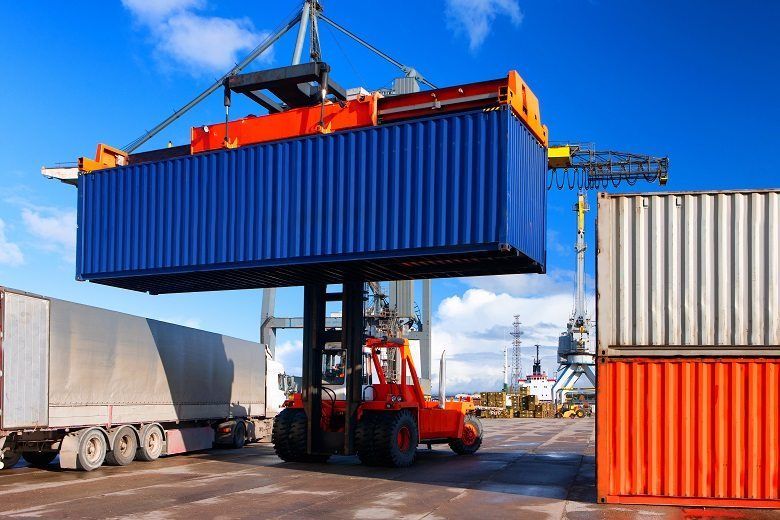
Nigeria’s maritime transportation sector is critical for both international trade and domestic movement. Lagos, for instance, is home to the busiest ports in West Africa, handling a significant portion of the country’s imports and exports. Sea transportation underpins Nigeria’s connectivity to global markets, but it also poses environmental risks, such as oil spills, marine pollution, and habitat destruction.
Complexities:
Expanding port capacity and shipping routes could conflict with efforts to preserve coastal ecosystems.
Enhancing security along key trade routes is necessary to mitigate piracy, which threatens both transportation and tourism.
Recommendations:
Invest in green shipping technologies to reduce emissions.
Implement stricter environmental regulations in coastal zones to protect marine biodiversity.
Strengthen maritime security through collaboration with international partners.
3. Natural Resources and Conservation
Nigeria’s waters are rich in natural resources, including oil, gas, and fisheries. However, managing these resources sustainably is a key challenge. Oil exploration, which contributes heavily to Nigeria’s GDP, is a double-edged sword. While it drives economic activity, it also results in oil spills and other forms of environmental degradation that threaten both marine ecosystems and the livelihoods of coastal communities.
Complexities:
Overfishing and illegal fishing activities could lead to the depletion of fish stocks, undermining food security.
Offshore oil and gas exploitation pose risks to marine ecosystems, and poorly regulated activities can lead to environmental disasters.
Recommendations:
Strengthen monitoring and enforcement of regulations related to fishing and oil extraction.
Diversify the economy by encouraging sustainable fisheries and aquaculture.
Implement marine protected areas (MPAs) to conserve biodiversity.
4. Tourism and Cultural Heritage
Marine and coastal tourism is an emerging sector in Nigeria’s blue economy, with significant potential to boost local economies, especially in coastal states like Lagos, Cross River, and Rivers. Tourism development, however, must be sustainable and consider the conservation of natural resources.
Complexities:
Unregulated tourism can lead to habitat degradation, particularly in sensitive areas like mangroves and coral reefs.
Infrastructure development for tourism can strain local ecosystems and disrupt marine wildlife.
Recommendations:
Promote eco-tourism that focuses on preserving marine biodiversity and local cultures.
Develop integrated coastal zone management plans that balance tourism development with environmental protection.
Encourage public-private partnerships to invest in sustainable tourism infrastructure.
5. Climate Change and Sustainability
Climate change represents a significant threat to Nigeria’s blue economy. Rising sea levels, ocean acidification, and extreme weather events can impact sea transportation, tourism, and natural resource extraction. Nigeria’s coastal cities, such as Lagos and Port Harcourt, are particularly vulnerable to flooding, which could disrupt both local economies and the broader blue economy.
Complexities:
Coastal erosion and flooding threaten infrastructure, including ports, tourist sites, and communities.
Changing ocean temperatures and acidification affect fish stocks and marine biodiversity.
Recommendations:
Implement climate adaptation strategies, such as building resilient coastal infrastructure.
Promote renewable energy sources (e.g., offshore wind farms) as part of the blue economy.
Invest in research to understand the impacts of climate change on Nigeria’s marine resources.
Conclusion
For Nigeria to unlock the full potential of its blue economy, the government must address the inherent complexities involved in managing multiple sectors under a single ministry. This requires a multi-stakeholder approach that balances economic development with sustainability and environmental protection. Effective coordination between the various sectors—sea transportation, natural resource management, and tourism—will be crucial for fostering a thriving blue economy that benefits both the Nigerian economy and its coastal communities.

 Nigeria Maritime Online
Leave a comment